Summary:
• A commercial building inspection identifies structural, electrical, roofing, and mechanical risks before they become costly liabilities for owners or tenants.
• Common findings in older Princeton-area commercial properties include roof drainage failures, outdated electrical panels, HVAC wear, and moisture intrusion.
• Early detection through professional inspection supports safer lease transactions, financing approvals, and long-term maintenance planning.
Commercial property owners and buyers typically want one thing from an inspection report: a clear picture of what could fail, what it will cost, and how urgent the fix is. A structured commercial building inspection in Princeton NJ answers those questions by evaluating the building envelope, mechanical systems, and life-safety components against current condition and use.
Older commercial stock in and around Princeton often mixes decades of renovations, which can hide problems behind updated finishes. A commercial building inspection in Princeton NJ is designed to surface those layered issues before they affect a purchase, lease, or refinancing decision. Buyers and property managers who skip this step often discover deferred maintenance only after it becomes an emergency repair.
Structural and Envelope Risks Commonly Found
Structural concerns rank among the most expensive risks to correct after closing on a commercial property. Inspectors look for signs of settlement, foundation cracking, and water intrusion that can compromise load-bearing elements over time.
Common structural and envelope findings include:
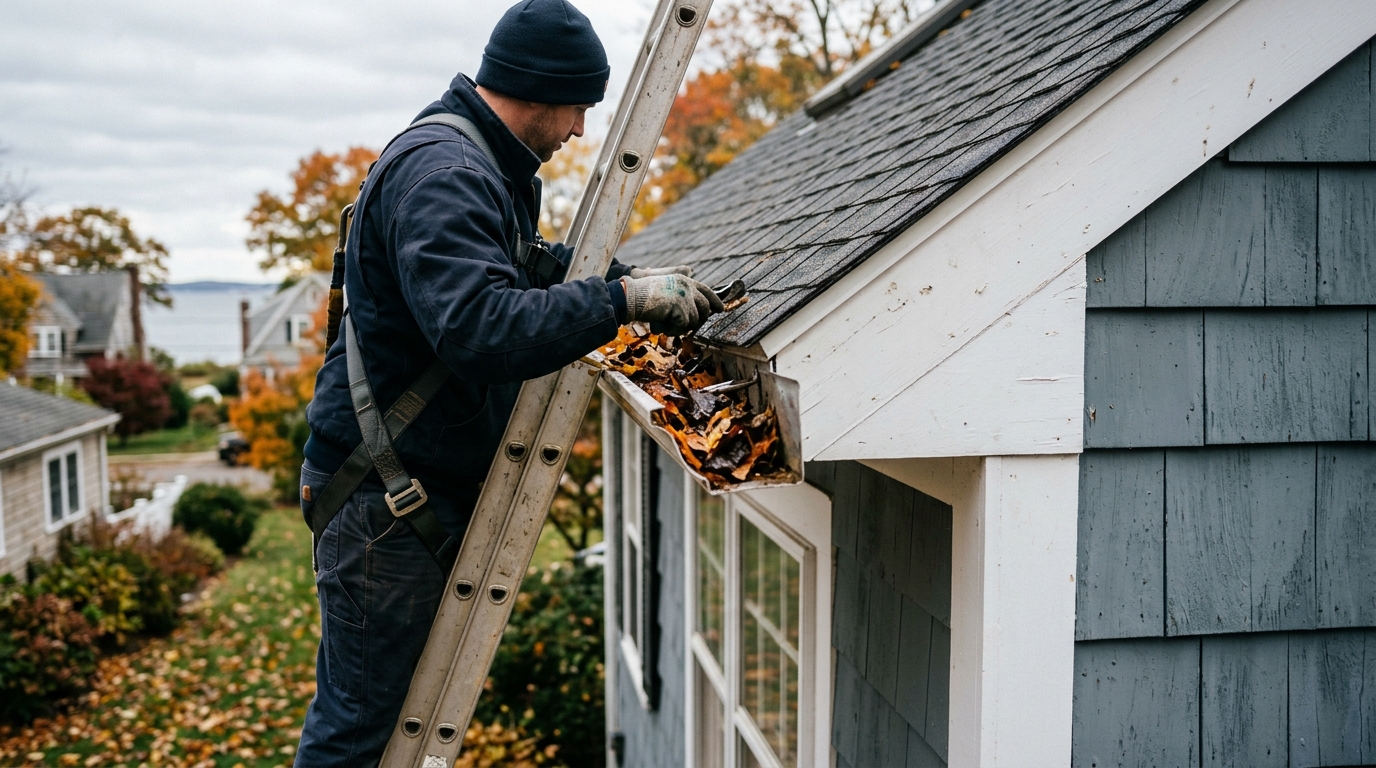
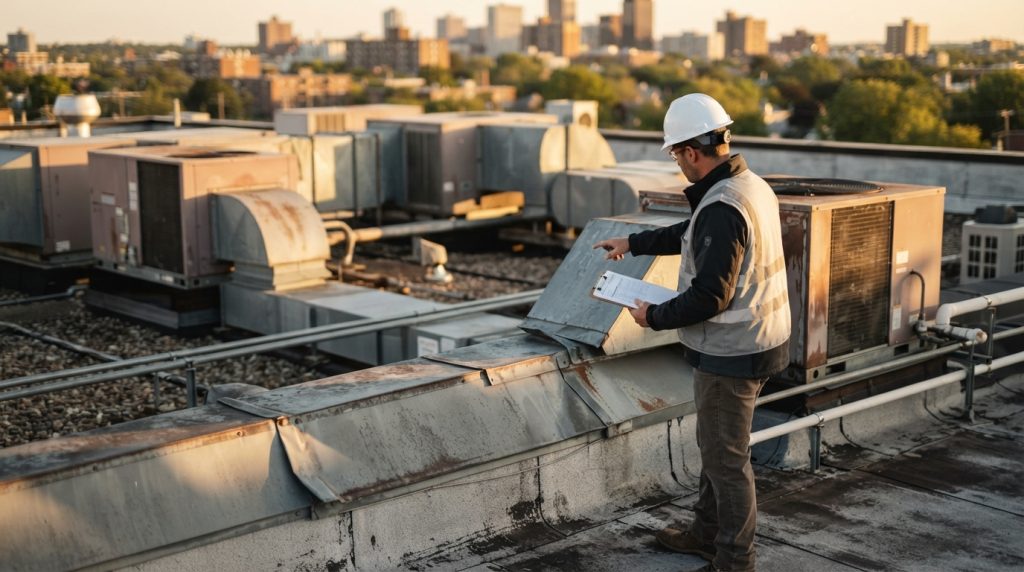
• Roof membrane wear, ponding water, or failed flashing around rooftop units
• Foundation cracking or differential settlement, especially in older masonry buildings
• Exterior wall deterioration, including spalling brick or failed sealant joints
• Parking lot and sidewalk drainage issues that direct water toward the building
Roofing failures are among the most frequent commercial property claims nationally, and water intrusion from roof or envelope failure often leads to secondary damage in electrical and mechanical systems. The U.S. Department of Energy’s commercial building guidance notes that building envelope performance directly affects both structural durability and energy efficiency, making it a priority inspection point for older properties.
Electrical, Mechanical, and Life-Safety Concerns
Electrical systems in commercial buildings built before modern code updates frequently show capacity or safety issues that are not visible during a casual walkthrough. Aging panels, undersized wiring, and outdated grounding are recurring findings in properties that have gone through multiple tenant improvements without full system upgrades.
Mechanical and life-safety risks typically flagged during inspection include:
• Electrical panels near or beyond rated capacity for current tenant loads
• HVAC systems approaching end of service life or showing inconsistent performance
• Fire suppression and alarm components that require testing verification
• Plumbing systems with corrosion, leaks, or inadequate backflow prevention
These systems interact closely with occupant safety and insurance requirements, so a documented inspection gives owners a factual basis for prioritizing repairs rather than guessing which system needs attention first.
Moisture, Air Quality, and Hidden Damage
Moisture problems are often the least visible risk category and the most damaging over time. Water that enters through a compromised roof, poor grading, or plumbing leaks can travel through wall cavities and ceilings long before staining or odor becomes noticeable.
| Risk Area | Typical Cause | Inspection Focus |
| Roof and envelope | Aging membrane, failed flashing | Moisture intrusion, drainage patterns |
| Electrical systems | Outdated panels, tenant overloads | Capacity, grounding, code compliance |
| HVAC and mechanical | Age, deferred maintenance | Performance, remaining service life |
| Interior moisture | Leaks, poor ventilation | Mold risk, structural material damage |
Left unaddressed, trapped moisture can degrade structural framing and insulation, and it can also affect indoor air quality for tenants and employees. Identifying these conditions early allows owners to plan remediation before a lease renewal, refinance, or tenant complaint forces immediate action.
Why Timing and Documentation Matter
An inspection report is only useful if it is thorough enough to support real decisions, whether that means negotiating a purchase price, planning a capital improvement budget, or satisfying a lender’s due diligence requirements. Documented findings with clear photos and system-by-system notes give owners leverage and clarity that a verbal walkthrough cannot provide.
Property owners should treat inspection timing as part of their broader risk management strategy, not a one-time formality:
1. Schedule inspections before finalizing purchase agreements, not after closing.
2. Repeat inspections periodically for aging mechanical and roofing systems.
3. Keep inspection records on file for insurance and financing conversations.
Frequently Asked Questions
What does a commercial building inspection typically cover? Inspections generally assess the roof, structure, electrical systems, HVAC, plumbing, and interior conditions to identify deferred maintenance and safety risks.
How often should a commercial property be inspected? Frequency depends on building age and system condition, though many owners schedule inspections during ownership transitions, lease changes, or major system upgrades.
Can an inspection affect financing or insurance decisions? Yes. Lenders and insurers often request inspection documentation to confirm structural and mechanical condition before approving terms.
Is a commercial inspection different from a residential one? Commercial inspections typically involve more complex mechanical, electrical, and life-safety systems, along with code considerations tied to occupancy type.
Understanding these risk categories gives property owners and buyers a realistic view of what an aging or recently renovated commercial building may be hiding. For a professional assessment grounded in documented findings, BenGineering Buildings Inspections LLC provides commercial inspection services that help owners make informed, well-supported property decisions.