Quick take:
• Green Bay’s harsh winters, heavy snow loads, and freeze-thaw cycles make professional roof installation a structural necessity, not just a cosmetic upgrade.
• Choosing the right materials and a qualified local contractor directly affects how long a roof performs and how well it protects a home year-round.
Professional roof installation in Green Bay, WI, is one of the most consequential decisions a homeowner can make. The region’s climate places demanding, year-round stress on roofing systems, and a properly installed roof is the first line of defense against that stress.
Why Green Bay’s Climate Demands More From a Roof
In Green Bay, homeowners face unpredictable weather patterns, from heavy snowfall and ice accumulation to sudden windstorms and hail. These conditions do not just wear a roof down gradually – they can exploit any weakness in the system quickly.
In Green Bay, selecting roofing materials that withstand heavy snow and frequent freeze-thaw cycles is essential. Architectural asphalt shingles rated for high wind and impact resistance are recommended by the City of Green Bay Building Inspection Division. Metal roofing, especially standing seam steel, offers durability and sheds snow effectively. Always confirm materials meet Green Bay’s snow load requirements and consider ice and water shield underlayment for added protection.
Wisconsin building codes generally prohibit more than two layers of roofing materials due to weight concerns, which is especially important in a snow-heavy region. A professional installer understands these code requirements and accounts for them from the start of a project.
Roofing Material Options for Wisconsin Homes
Not all roofing materials perform equally in a northern climate. The table below compares three common options verified for use in the Green Bay area:
| Material | Key Strength | Climate Consideration |
| Architectural Asphalt Shingles | Affordable, widely available | Rated for high wind and impact; popular choice for WI homes |
| Standing Seam Metal | Long lifespan, sheds snow | Excellent for heavy snow loads; minimal ice dam risk |
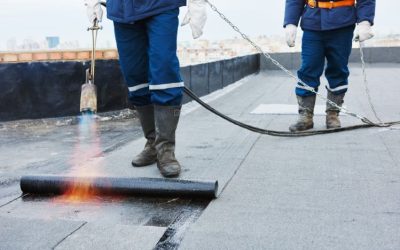
| Flat / Low-Slope (PVC/TPO) | Suited for commercial buildings | Requires proper drainage planning for Wisconsin weather |
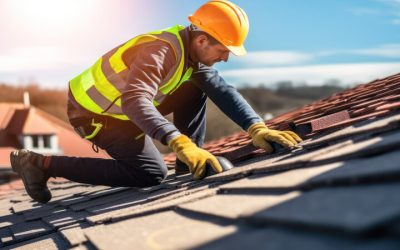
Asphalt shingle roofs remain one of the most popular roofing choices for Wisconsin homeowners because of their durability, affordability, and clean appearance. For commercial properties, Duro-Last PVC roofs offer strong protection, energy efficiency, and low-maintenance performance.
The National Roofing Contractors Association (NRCA) publishes installation guidelines and material standards that qualified contractors follow to ensure roofing systems meet current building code requirements and perform reliably over time.
What the Professional Installation Process Looks Like
A structured installation process reduces the risk of callbacks, leaks, and premature failure. Here is what a thorough project typically involves:
1. Roof inspection and assessment – Evaluating the existing deck, ventilation, flashing, and structural condition before any materials are ordered.
2. Material selection – Choosing products rated for Wisconsin’s snow loads, wind speeds, and temperature swings.
3. Deck preparation – Repairing or replacing damaged sheathing; installing ice-and-water shield underlayment in vulnerable areas.
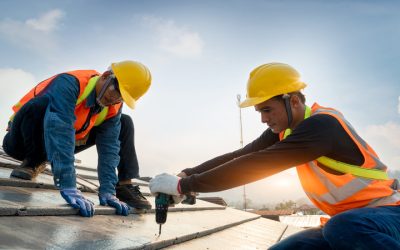
4. Installation – Laying the chosen roofing system according to manufacturer specs and local code.
5. Final inspection and cleanup – Confirming flashing, ridge vents, and penetrations are properly sealed before the site is cleared.
Roofing in Green Bay may reveal hidden issues such as rotted roof decking, inadequate attic ventilation, or structural repairs needed to meet local code. The City of Green Bay Building Inspection Division may require upgrades if deficiencies are found during inspection. Identifying these issues early prevents costly surprises after installation is complete.
In Green Bay’s Climate Zone 6A, the ideal time for roofing is May through September. Scheduling during this window ensures optimal installation conditions and material performance.
Frequently Asked Questions About Roof Installation in Green Bay
How long does a professionally installed roof typically last in Green Bay? Lifespan depends heavily on material choice and installation quality. Architectural asphalt shingles generally last 25-30 years with proper ventilation, while standing seam metal roofs can exceed 40 years in Wisconsin conditions.
Do I need a permit for a new roof in Green Bay? Most full roof replacements require a building permit in Green Bay. A qualified contractor pulls the necessary permits and schedules required inspections, keeping the project code-compliant.
What is an ice-and-water shield, and is it required? It is a self-adhering underlayment installed at the eaves and in valleys to prevent water infiltration from ice dams. Proper attic insulation and ventilation are crucial to minimize ice dam risks and extend your roof’s performance. Local contractors familiar with Wisconsin winters treat this layer as standard practice.
How do I know if I need a full replacement or just repairs? Localized issues like a few missing shingles or minor leaks typically indicate that repairs are enough, but widespread deterioration often points toward replacement as the wiser investment. A professional inspection gives you an accurate picture before committing to either option.
For homeowners in the Green Bay area ready to move forward, CustomCraft Roofing & Construction, LLC provides residential and commercial roofing installation, replacement, and repair services across Eastern Wisconsin. Services include shingles, flat roofs, metal roofs, soffit and fascia, storm windows and doors, siding, gutters, and leaf guards. Reaching out for a project assessment is the straightforward first step toward a roof built to handle whatever Wisconsin weather delivers.